
The European chemical industry alone accounts for nearly 20% of industrial energy consumption, more than half of which comes in the form of heat generated from fossil fuels. (Source: Techniques de l’ingénieur)
By 2030, the sector has committed to reducing its greenhouse gas emissions by 39–49% compared to 2015 (Source: Directorate-General for Enterprise). These targets require major progress in several areas: process energy efficiency, the electrification of thermal applications, precise control of reactions, and the development of breakthrough technologies compatible with high industrial standards.
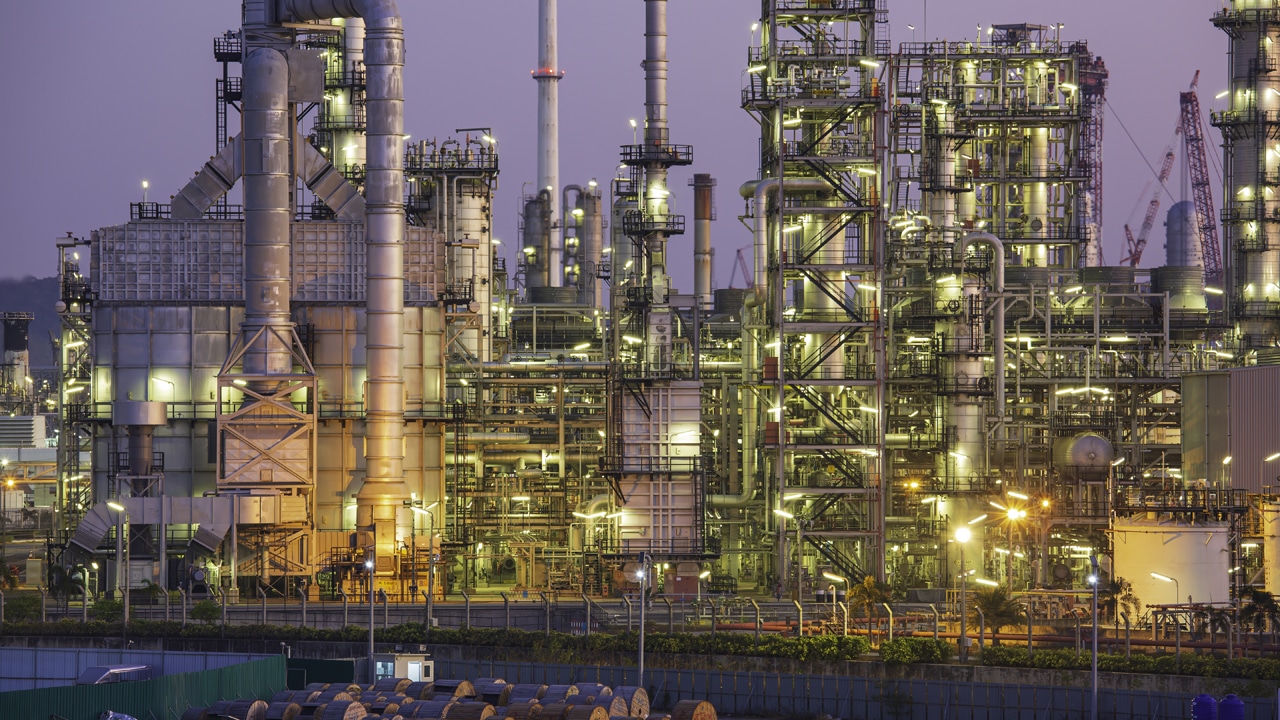
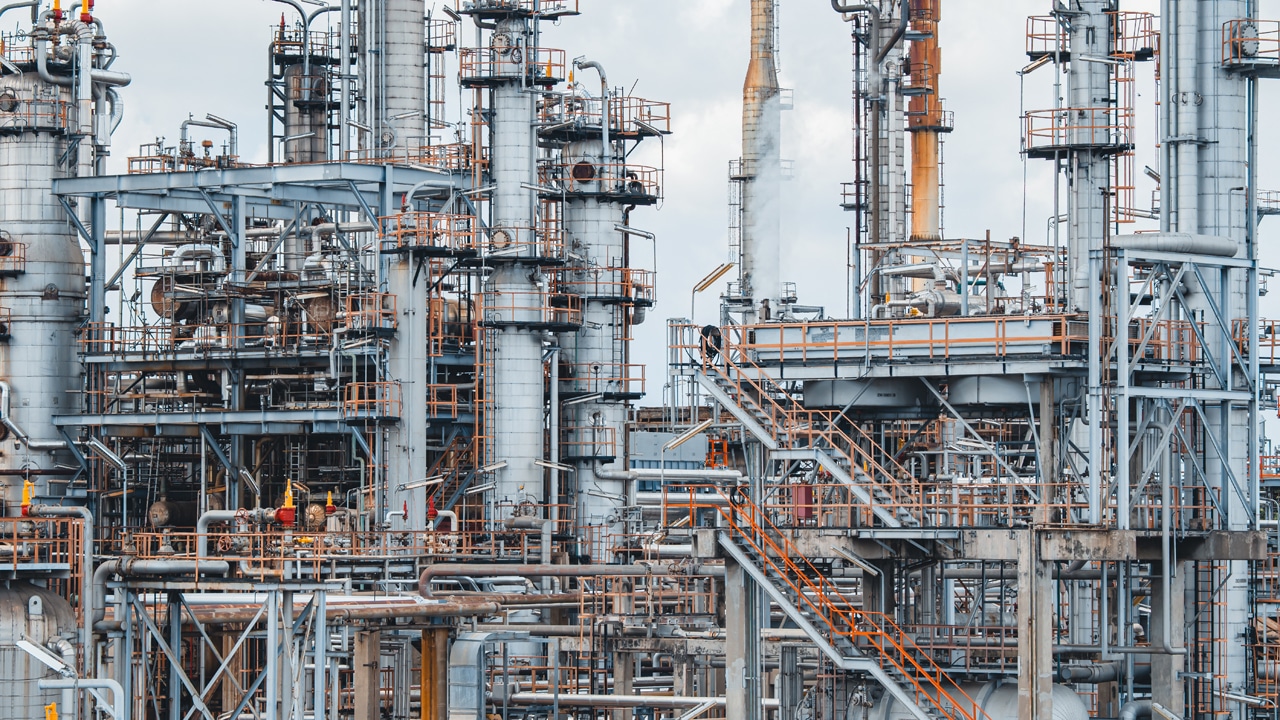
The chemical industry faces major thermal challenges, which are closely linked to the very nature of its processes. Over 60% of the sector’s CO₂ emissions still stem from the heat required for chemical reactions, which is mainly generated using fossil fuels (Source: Directorate-General for Enterprise). Against a backdrop of decarbonisation, the challenge for the European chemical industry is to gradually move away from carbon-based energy sources.
This transition necessarily involves the electrification of thermal processes, for which several technological solutions can be considered, including the integration of induction heating.

In most industrial applications, heterogeneous catalytic chemical processes rely on indirect heating systems, which supply and regulate heat via the reactor walls or through heat transfer fluids. These designs are characterised by high thermal inertia and the emergence of temperature gradients that are difficult to control, particularly in the case of highly endothermic or exothermic reactions. The supply of heat across the entire reactor, rather than as close as possible to the reaction sites, can lead to significant energy losses.
In certain catalytic chemical processes, induction heating allows heat to be generated directly within the catalytic bed, without heating the entire reactor.
To support the energy transition in the chemical industry, induction heating offers a distinctive, high-value-added technological solution.
This approach is based on heat generation using our Litz wire systems, enabling precise, rapid and hyper-localised temperature control.
Compared to conventional systems, induction significantly reduces thermal inertia, energy losses and start-up times, whilst improving thermal homogeneity and reaction stability.

Through its IS Process brand, AET Group plays a key role in the development and industrialisation of induction heating for chemical processes. Through its research partnerships with academic laboratories, IS Process has, over the years, developed comprehensive and groundbreaking expertise in induction systems for process engineering.
This expertise now enables the group to actively contribute to the emergence of low-carbon chemical processes.